








Almonds are one of the most loved and healthiest dry fruits in the world. Whether eaten raw, soaked overnight, roasted, or mixed in sweets and smoothies, almonds offer a rich combination of taste and nutrition. For centuries, almonds have been known as a superfood because they provide energy, improve brain health, strengthen bones, and support heart wellness.
Today, health experts recommend adding almonds to the daily diet because of the many health benefits of almonds. They are loaded with protein, fiber, vitamins, minerals, and healthy fats that nourish the body from the inside.
In this blog, we will discuss the nutritional benefits of almonds, explain 10 almonds’ nutrition facts, and also reveal 100 grams of almond protein in detail.
What Makes Almonds So Healthy?
Almonds are nutrient-dense tree nuts packed with essential vitamins and minerals. A small handful can provide your body with lasting energy and multiple health advantages.
According to nutritional research, almonds are an excellent source of:
- Plant-based Protein
- Vitamin E
- Magnesium
- Calcium
- Fiber
- Healthy Monounsaturated Fat
- Iron
- Antioxidants
Just one serving of almonds (about 23 almonds or 28 grams) contains approximately 6 grams of protein, 3.5 grams of fiber, and 14 grams of healthy fat.
This is why the benefits of eating almonds daily are highly recommended for children, adults, gym-goers, and elderly people.
Top 10 Health Benefits of Almonds
Let us understand why almonds are called a complete natural health package.
1. Almonds Improve Brain Function
Almonds are traditionally associated with better memory and concentration. They contain riboflavin and L-carnitine, two nutrients that support brain activity.
Students and working professionals often eat soaked almonds in the morning to stay active and focused throughout the day.
This is one of the biggest health benefits of almonds that makes them popular in every household.
2. Almonds Are Rich in Protein for Muscle Strength
Protein is required for muscle building, tissue repair, and overall body growth. Almonds are one of the best vegetarian sources of protein.
A handful of almonds gives the body plant protein that helps
- Build lean muscle
- Improve stamina
- Keep the body energetic
- Support workout recovery
The 100 grams of almond protein is around 21 grams, which is excellent for a dry fruit.
That means almonds are not just a snack—they are a natural protein food.
3. Supports Heart Health
One of the major nutritional benefits of almonds is their heart-friendly fat content.
Almonds contain monounsaturated fats, which are good fats that help lower bad cholesterol (LDL) and support good cholesterol (HDL).
Regular almond consumption may help:
- Reduce heart disease risk
- Control blood pressure
- Improve blood circulation
Vitamin E and magnesium present in almonds also help protect the heart.
4. Helps in Weight Management
Many people think nuts increase weight, but almonds actually help in controlling hunger.
Because almonds are rich in:
- Protein
- Fiber
- Healthy fats
They keep you full for a longer time and reduce unnecessary snacking.
This means the benefits of eating almonds include better appetite control and healthy weight management when consumed in moderate quantity.
5. Good for Skin and Hair Almonds are loaded with vitamin E, a powerful antioxidant known for healthy skin and shiny hair.
Daily almond intake can help:
- Reduce skin dryness
- Slow premature aging
- Improve natural glow
- Strengthen hair roots
This is why almond oil and almond-based beauty products are so common.
6. Strengthens Bones and Teeth
Almonds contain calcium, magnesium, and phosphorus, which are important for bone density.
Children, women, and older adults can benefit greatly from daily almond intake because it helps:
- Strengthen bones
- Improve joint health
- Support teeth development
Thus, one of the hidden but important health benefits of almonds is stronger skeletal health.
7. Helps Control Blood Sugar Levels
Almonds are low in carbohydrates and high in healthy fats, fiber, and magnesium.
This combination helps slow down sugar absorption in the body and may support healthy blood sugar levels.
People who want a healthy diabetic snack often choose almonds because they are filling and low glycemic.
8. Improves Digestion
Fiber is necessary for smooth digestion and gut wellness.
Almonds provide dietary fiber that helps
- Prevent constipation
- Improve bowel movement
- Support gut bacteria
So if you want a crunchy healthy snack that supports digestion, almonds are an excellent option.
9. Boosts Immunity
Almonds contain antioxidants, zinc, and vitamin E, which help protect body cells from damage.
A stronger immune system means the following:
- Fewer seasonal illnesses
- Better body defense
- Faster healing
Among all nutritional benefits of almonds, immunity support is highly valuable in today’s lifestyle.
10. Provides Instant Natural Energy
Almonds are a powerhouse of calories, protein, and healthy fats.
Eating almonds in the morning or before exercise provides sustained energy without junk food.
This is why athletes and fitness lovers include almonds in their daily routine.
10 Almonds’ Nutrition Facts
Many people ask how much nutrition they get from eating only 10 almonds.
On average, 10 almonds weigh around 12–14 grams.
10 Almonds’ Nutrition Facts Approx:
- Calories: 75–85 kcal
- Protein: 3 grams
- Healthy Fat: 7 grams
- Carbohydrates: 2.5 grams
- Fiber: 1.5 grams
- Vitamin E: Good amount
- Magnesium: Moderate amount
- Calcium: Small amount
- Iron: Trace amount
Even just 10 almonds daily can provide the body with valuable nutrients and improve satiety.
That is why many dieticians recommend eating 8 to 10 soaked almonds every morning.
100 Grams of Almond Protein and Full Nutrition Facts
If we calculate on a larger scale, 100 grams of almonds contain powerful nutrition.
100 grams of almond protein = approximately 21 grams
Other nutrition in 100 grams of almonds:
- Calories: 575–580 kcal
- Protein: 21 g
- Fiber: 12 g
- Healthy Fat: 49 g
- Carbohydrates: 21 g
- Calcium: 260+ mg
- Magnesium: 270 mg
- Vitamin E: 25 mg
This clearly shows why almonds are called a complete nutritional powerhouse.
Best Ways to Eat Almonds Daily
To enjoy the full benefits of eating almonds, you can consume them in different ways:
- Soaked almonds in morning
- Raw almonds as snack
- Almond milk
- Almond smoothie
- Almond butter
- Almond powder in sweets
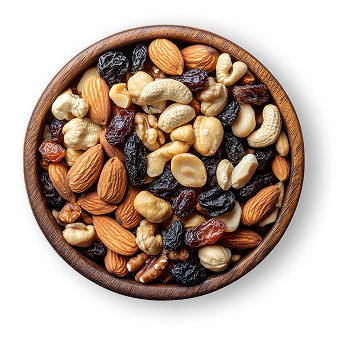
- Mixed dry fruit trail mix
Experts generally suggest 8–15 almonds per day for regular healthy consumption.
FAQs About Almonds
How many almonds should you eat a day?
You can eat 8 to 15 almonds daily to get protein, fiber, healthy fats, and vitamin E for better overall health.
Is 7 almonds a day good for you?
Yes, eating 7 almonds a day is good for improving energy, heart health, brain function, and digestion.
What are 5 health benefits of almonds?
Five major health benefits of almonds are:
- Better brain health
- Stronger heart
- Improved skin
- Good digestion
- Natural protein for energy
What happens if I eat 5 badam daily?
Eating 5 badam daily can improve memory, boost immunity, support digestion, and provide daily nutrition.
Final Thought
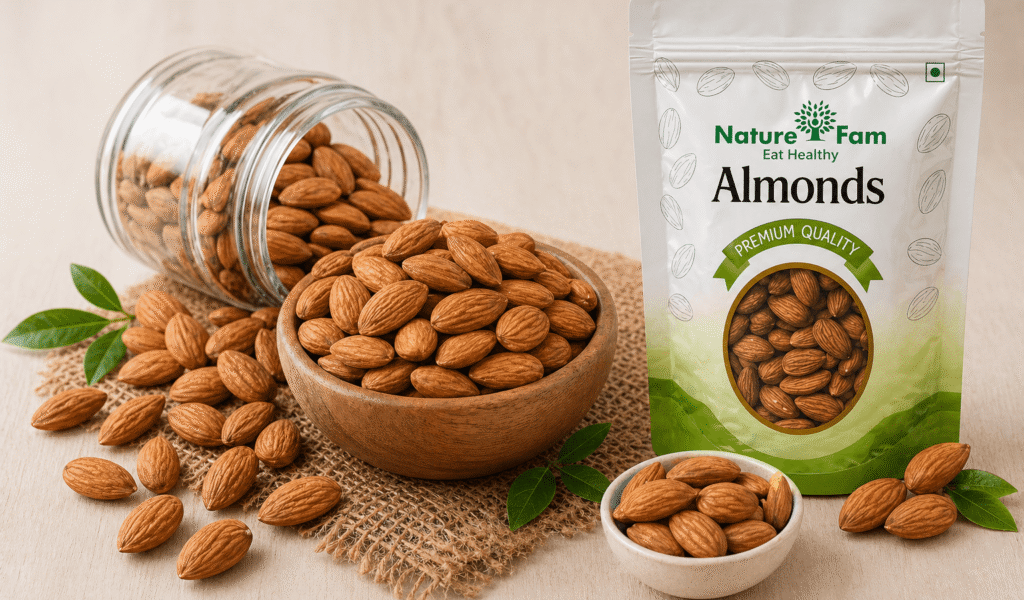
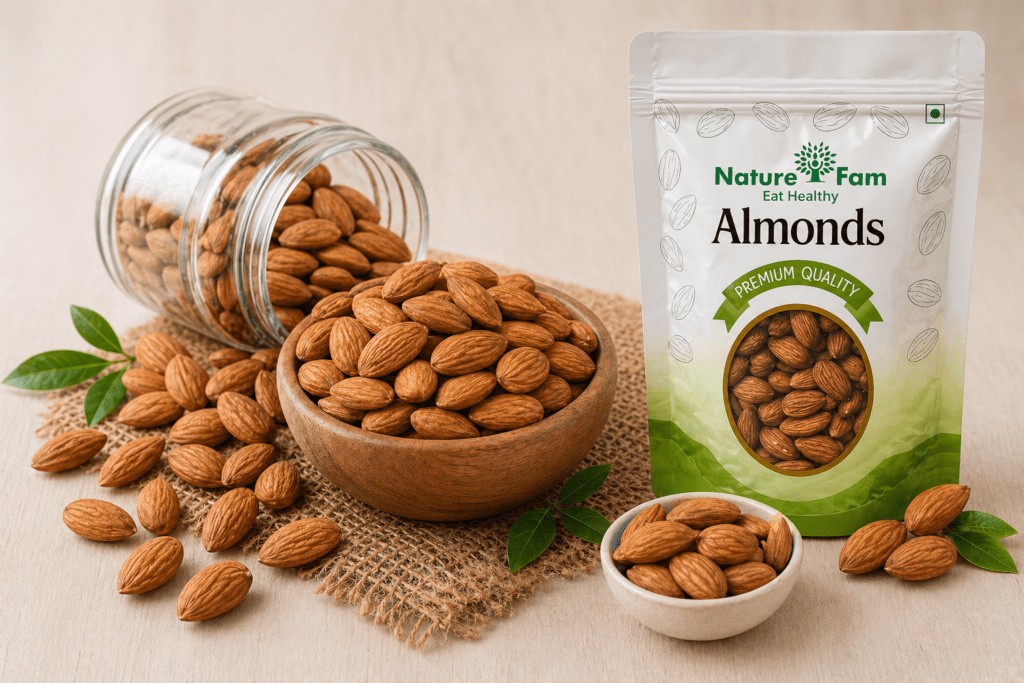
Bring home the goodness of premium-quality almonds with NatureFam. Rich in protein, natural crunch, and full of nutrition, NatureFam almonds are the perfect daily healthy snack for your family.
Shop NatureFam Almonds today and enjoy pure health in every bite.